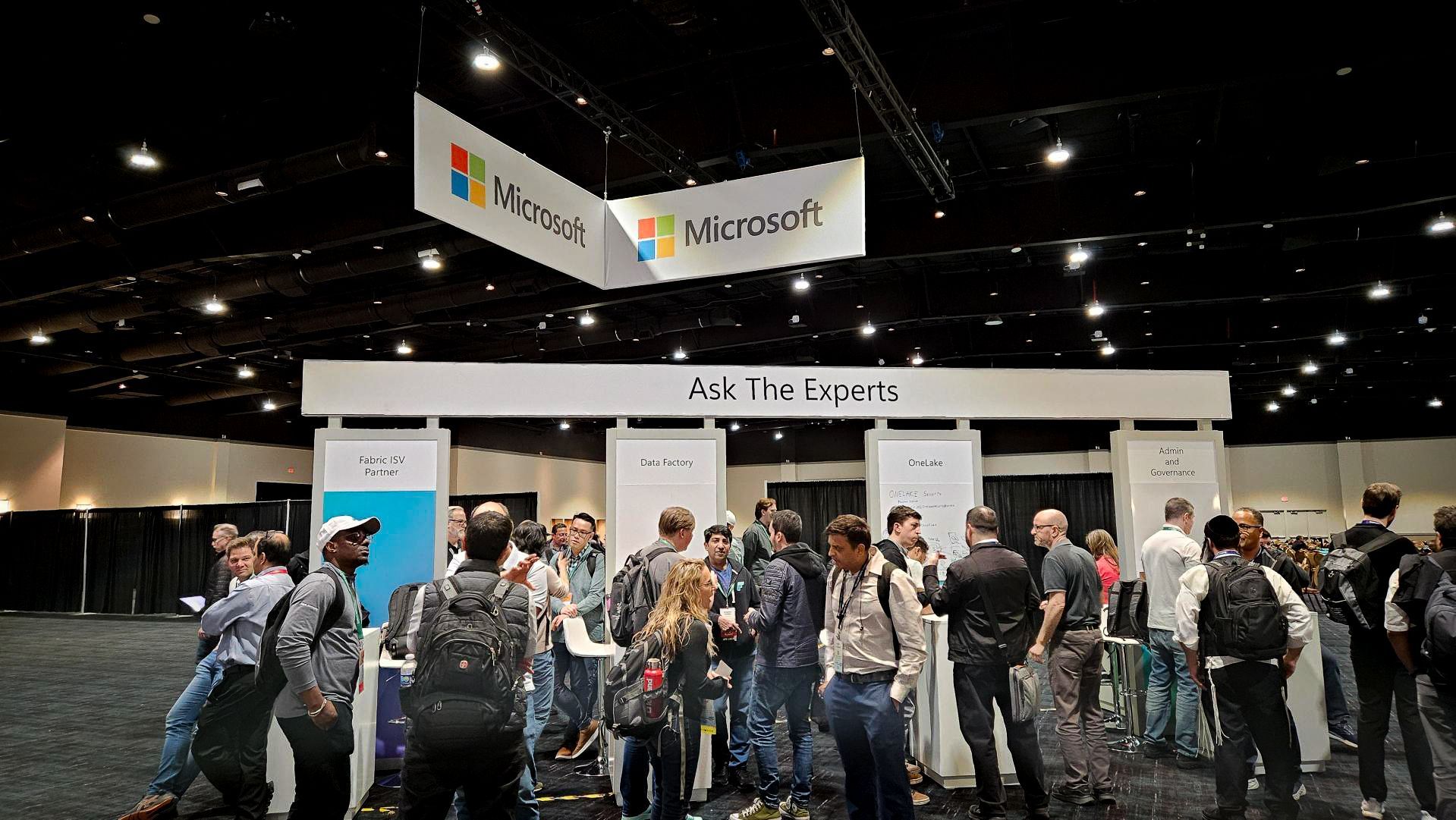
Updates from the Microsoft Fabric Community Conference in Las Vegas, where the best minds in data gathered to reveal game-changing updates to Microsoft Fabric!
This article breaks down the most impactful Microsoft Fabric announcements - updates that are reshaping how we manage and analyze data.
In this blog post, you'll discover
- Our reflections on Microsoft’s new
Translytical Writeback and what it means for the future of writeback in Fabric
- How Oracle Mirroring
enables real-time data synchronization in Fabric
- The new row-level and folder-level
security features for OneLake
- How migration from
Azure Synapse Analytics to Fabric just got a whole lot easier
- The expanded role of
Copilot across all Fabric workloads, enhancing productivity with AI
- Why the introduction of
SQL databases in Fabric
is a huge win for developers and data team
Thoughts on Microsoft’s Translytical Writeback in Fabric
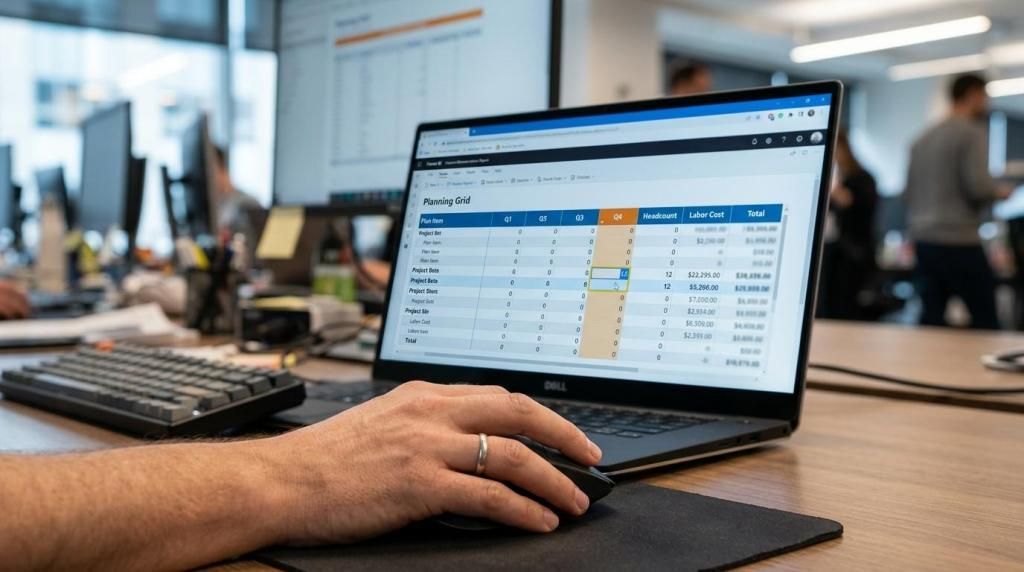
Microsoft has officially entered the writeback space with its new translytical capabilities in Microsoft Fabric – and it’s exciting to see the platform moving in this direction. This was one of the headline announcements at FabCon 2025, and as experts in writeback and translytical capabilities, we understand why!
The new functionality allows users to trigger
transactional code directly from buttons in the Fabric UI, enabling writeback operations straight from the report surface. This opens up interesting possibilities, especially for simple, direct transactions.
But as we’ve explored the feature further, here are a few of our reflections:
⚠️ Still Early Days
- The solution is very singular in nature - it handles one transaction at a time, with no support for batch processing.
- Even for basic transactions, it requires a significant amount of custom code, making it far from a no-code or low-code approach.
- This can make it difficult to scale or maintain across broader business scenarios.
✅ Promising Start
That said, it's a great signal that Microsoft is committed to enabling more dynamic, action-driven data flows in Fabric. It brings developers closer to embedding logic directly within the data experience.
We’re continuing to invest in tools like
accoPLANNING and
accoMASTERDATA that bridge this gap -offering powerful, flexible, and
user-friendly writeback capabilities without heavy coding or limitations on batch updates.
We see Microsoft’s entry as a validation of how important this area is becoming - and we’re excited to see where it goes!
Oracle Mirroring: Real-Time Data Synchronization
Another headline announcements at FabCon 2025 was the introduction of real-time Oracle mirroring in Microsoft Fabric. By integrating Oracle databases using
OCI GoldenGate, Fabric now supports seamless, real-time data synchronization.
This means users can access up-to-date Oracle data instantly—no more delays, no manual exports. It's a major leap for businesses that rely heavily on Oracle and need accurate data streaming directly into their analytics workflows.
Enhanced Security for OneLake
Security continues to be a top priority, and Microsoft delivered some major upgrades to
OneLake. Two new features now offer greater control and protection:
- Row-level security lets you define who can see specific data entries
- Folder-level access control provides granular permissions on data storage
These updates significantly reduce risk, helping organizations meet strict compliance and privacy requirements without compromising usability.
Simplified Migration from Synapse Analytics
Is migrating from Azure Synapse Analytics to Microsoft Fabric easier than before? Absolutely. Microsoft knows migration can be a headache, so they’ve introduced new tools that make the process
faster and smoother than ever. These enhancements ensure that existing data, scripts, and workflows are preserved, minimizing downtime and keeping your analytics running seamlessly.
"With all these updates, one thing is crystal clear:
Microsoft Fabric is leading the way in data innovation.
Mikael Iuel-Brockdorff, CEO at AccoTOOL
Copilot Expands Across Fabric
How does Copilot’s AI integration enhance data management in Microsoft Fabric?
This was another exciting reveal -
Copilot is now available across all Fabric capacities, from F2 and up. Whether you're in
Data Factory, Data Science, or Data Engineering, Copilot can assist with data transformation, analysis, and even visualization. Seeing it in action at FabCon was incredible—this AI assistant is making data work more intuitive, more powerful, and honestly, more fun!
Nature's Symphony
Breathtaking colors of our planet
Button
Faces of Humanity
Portraits of people from around the globe
Button
Sands of Time
Stark beauty of desolate dunes
Button
SQL Databases Come to Microsoft Fabric
What makes SQL databases in Microsoft Fabric a game-changer for data professionals?
One of the biggest “wow” moments at FabCon was the announcement of
SQL databases within Microsoft Fabric. Built on
Azure SQL Database, this feature lets you create and manage operational databases directly in Fabric, with automatic replication to OneLake in Parquet format. That means
real-time analytics with zero ETL hassle—just raw power and efficiency. Plus, with full support for
SQL Server Management Studio and Visual Studio, developers can jump right in without missing a beat.
Why is now the best time to explore the latest Microsoft Fabric innovations?
Because the future of data is happening right now, and it’s more accessible, secure, and AI-driven than ever before. If you haven’t explored what Fabric can do for your business, now’s the time.
Mikael Iuel-Brockdorff, CEO at AccoTOOL